Panos Institute’s 8338 helpline in Haiti, it is a humanitarian action and social communication telephone service designed to inform, guide, and support vulnerable populations.
Operations and Role
- Calls Received: Over 1.36 million calls have been recorded on this line.
- Assisted Calls: Nearly 19,750 calls received direct assistance from advisors.
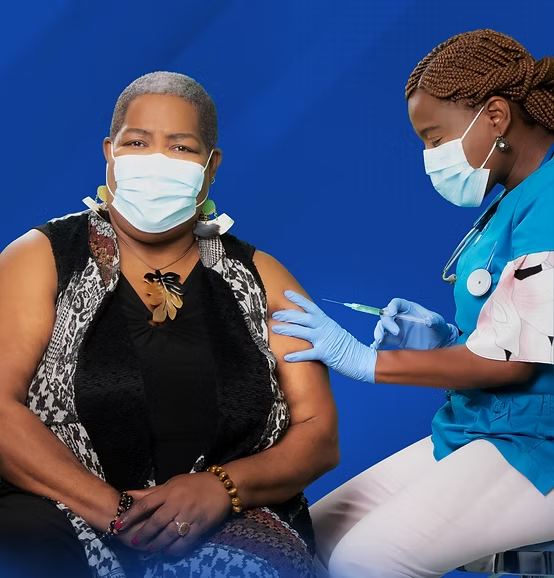
- Medical Referrals: Over 1,200 referrals were directed to appropriate care facilities, particularly within public health programs (such as the fight against HIV/AIDS or patient education).
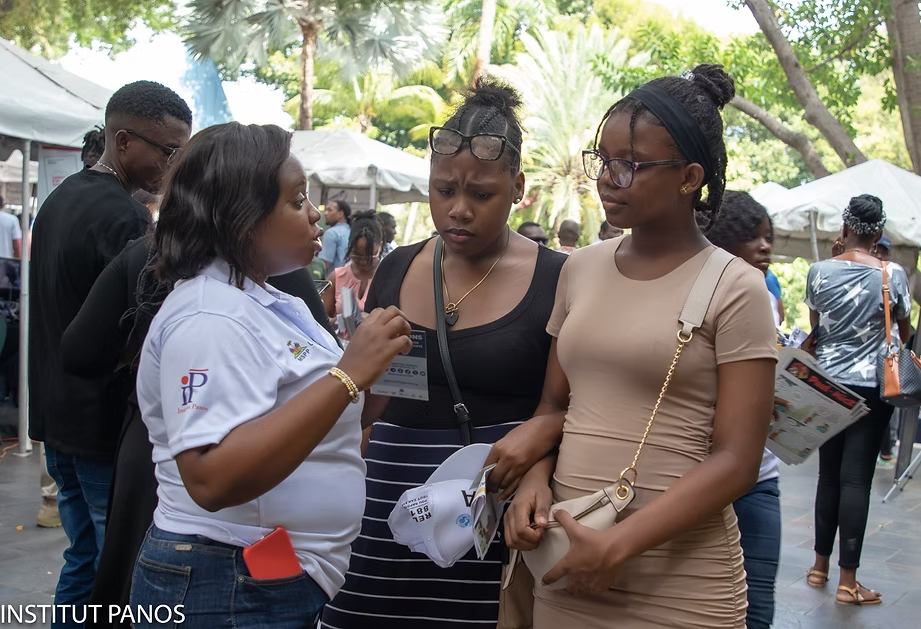
- Awareness: The service also acts as an information relay through targeted messaging campaigns to encourage behavioral changes and answer health or humanitarian action questions.
Panos Institute focuses the core of its work in Haiti on communication for social and behavioral change. The 8338 Helpline sits at the center of this framework to share verified information and guide users.
1. Public Health Topics Addressed by the 8338 Line
The helpline prioritizes the country’s major public health challenges:
- HIV/AIDS Prevention and Treatment: This is the organization’s historical pillar. The line provides advice on testing, PrEP (pre-exposure prophylaxis), and promotes key campaigns like U=U (Undetectable = Untransmittable). It also refers patients to care facilities to combat stigma.
- Infectious Diseases and Epidemics: Information and awareness on managing and preventing cholera, tuberculosis, malaria, and COVID-19.
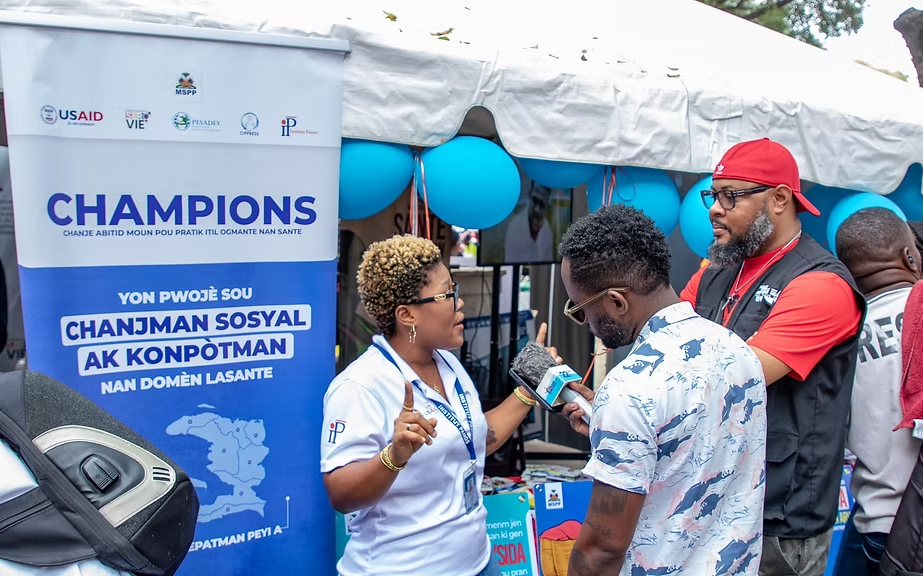
- Promotion of Healthy Behaviors: Practical advice on sexual and reproductive health, hygiene, and community awareness through integrated projects like the CHAMPIONS program (Chanje Abitid Moun pou Pratik Itil ogmante nan Sante), conducted in collaboration with the Ministry of Public Health and Population (MSPP).
2. Other Areas and Services of Panos Institute
Beyond its call center, Panos Institute deploys its expertise across several strategic areas:
- Media Mobilization and Journalism: Training and skill-building for Haitian journalists to produce ethical reporting, combat misinformation (“STOP à Pintox” campaigns), and cover public health and governance issues.
- Children’s Rights and Gender Equality: Education and awareness programs to uphold minors’ rights and reduce gender disparities in accessing basic services.
- Climate Change and Environment: Communication efforts to prepare communities for major climate and environmental risks in Haiti.
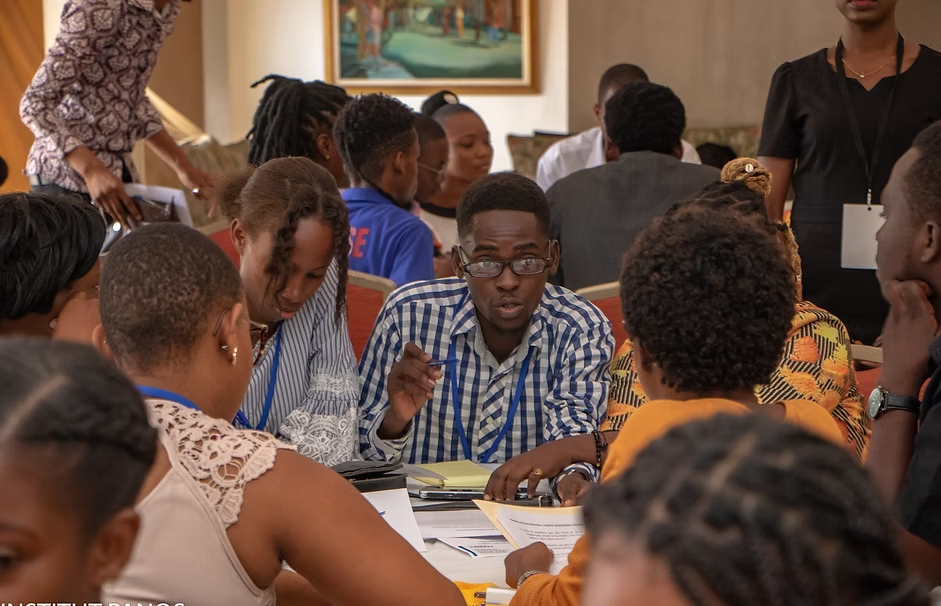
- Youth Engagement: Organizing integration events, such as youth forums on behavioral change, to collectively identify barriers to using healthcare facilities.